
The Arms Race of 2027
Digital advertising has always been an arms race, but as we approach 2027, the pace of evolution has accelerated. We are moving away from the era of "dumb" bots that simply click links and into the era of autonomous AI agents. These entities don't just mimic human behavior; they generate it.
For marketers, the challenge is no longer just identifying a bot—it is identifying a "synthetic human" that can hold a conversation, navigate a complex SaaS trial, and even provide realistic feedback to survey prompts.

This guide on The Future of Ad Fraud explores the emerging threats that will define the next year of digital marketing.
3 Emerging Threats for 2027
1. Generative AI Lead Bots
Traditional bots used to be caught because they couldn't handle open-ended form fields. In 2027, LLM-powered bots can generate highly convincing, unique company names, job titles, and "pain points" in your lead forms. This makes it nearly impossible for a human SDR to spot a fake lead until they are already on a discovery call.
2. Deepfake Engagement Networks
Social platforms like TikTok and Meta are seeing the rise of deepfake accounts. These aren't just stolen photos; they are AI-generated personas that post original content and engage with ads to "season" their profiles. This makes Advanced Bot Detection for Social Media a requirement for survival.
3. Proof-of-Work Evasion
Sophisticated botnets are beginning to solve CAPTCHAs and "Proof-of-Work" challenges using decentralized human-in-the-loop networks. By the time a security check is triggered, a low-cost human worker solves it, and the bot continues its automated path.
The Shift to Hardware-Level Truth
As software-based detection becomes easier for AI to spoof, the "Source of Truth" is moving deeper into the hardware. By 2027, effective ad security will rely almost entirely on:
- Silicon Fingerprinting: Identifying the unique way a specific GPU or CPU processes a rendering task.
- Network Latency Jitter: Analyzing the microscopic timing differences that occur when a signal is routed through a proxy or VPN.
- Biometric Velocity: Measuring the micro-fluctuations in touch pressure and scroll speed that are biologically unique to humans.
This is the standard currently being set by AdPurity’s Real-Time Validation Engine.
Predictive Defense: The New Standard
In 2027, reactive blocking will be too slow. The industry is moving toward Predictive Defense, where ad spend is pre-emptively diverted away from emerging botnet clusters before they even click an ad.
AdPurity is already leading this transition by using cross-network intelligence. When a botnet is identified on a Fintech campaign in London, our global network is updated in milliseconds, protecting a SaaS founder in San Francisco before that botnet ever reaches their site.
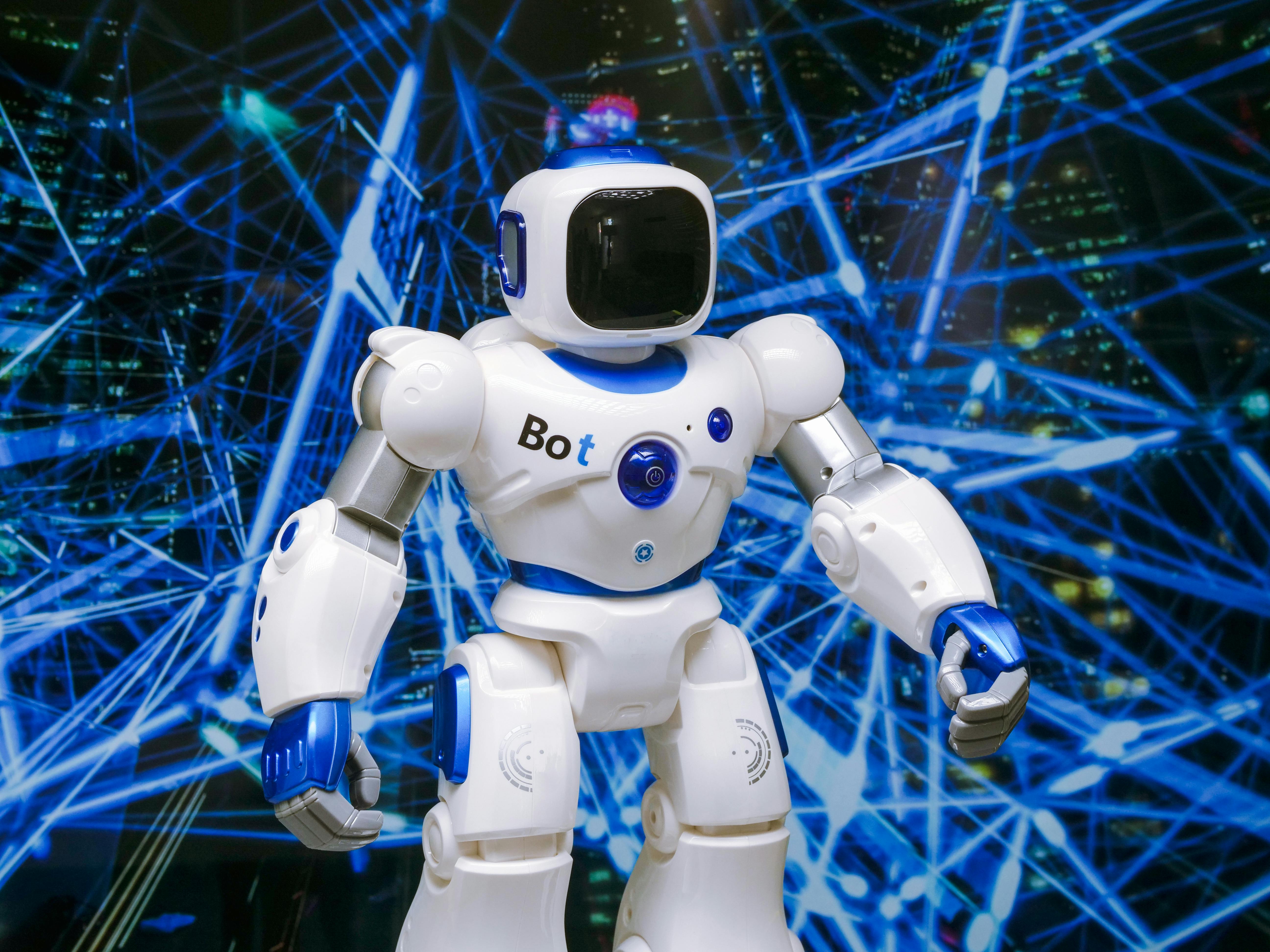
How to Prepare Your Marketing Stack Today
- Move to Server-Side Everything: Client-side scripts are too vulnerable to manipulation. Use Server-Side GTM and Conversions API to secure your data pipeline.
- Audit Your Vendors: Ensure your ad fraud partner isn't just using old IP lists. Ask about their 2027 roadmap for AI-agent detection.
- Prioritize Zero-Party Data: Focus on building direct relationships with customers. The more you know your real customers, the easier it is to spot the "synthetic" anomalies.
Pro Tips for Future-Proofing
- Watch for "Perfect" Engagement: If your engagement metrics look too good to be true, they probably are. AI bots are often "too perfect" in their behavior.
- Monitor API Latency: Sudden spikes in API response times can be a sign of a high-volume bot attack trying to brute-force your validation layers.
- Educate Your Sales Team: Teach your SDRs to look for the subtle signs of AI-generated lead data, as explored in our B2B SaaS Lead Quality Guide.
Conclusion: The Era of Verified Traffic
The next year will be a turning point for digital advertising. The "Wild West" era of unverified traffic is ending, replaced by a world where every click must be authenticated. By staying ahead of these trends and using advanced tools like AdPurity, you ensure that your brand remains competitive in an AI-driven world.
Don't get left behind by the AI bot wave. Stay protected with AdPurity and ensure your 2027 growth is built on real human connections.